Key Stage 2 history explained
Find out about what your child will learn in their KS2 history lessons and how you can help them get ahead at home.
In history lessons in KS2, children will be learning about:
- changes in Britain from the Stone Age to the Iron Age
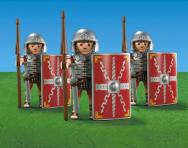
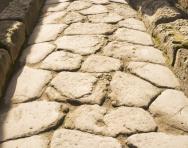
- the Roman Empire and its impact on Britain
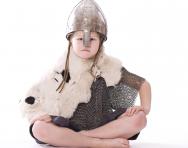
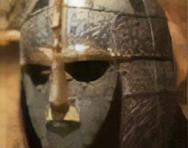
- Britain’s settlement by Anglo-Saxons
- the Viking and Anglo-Saxon struggle for the kingdoms of England to the time of Edward the Confessor
Boost Your Child's Learning Today!
- Start your child on a tailored learning programme
- Get weekly English & maths resources sent direct to your inbox
- Keep your child's learning on track
- local history
- an aspect or theme in British history that extends pupils’ chronological knowledge beyond 1066
- the achievements of the earliest civilisations: an overview of where and when the first civilisations appeared and an in-depth study of one of the following: Ancient Sumer; The Indus Valley; Ancient Egypt; The Shang dynasty of Ancient China.
- Ancient Greece: a study of Greek life and achievements and their influence on the western world
- a non-European society that provides contrasts with British history: one study area chosen from early Islamic civilisation, including a study of Baghdad c. AD 900; Mayan civilisation c. AD 900; Benin (West Africa) c. AD 900-1300
- UK black history
KS2 history lesson examples
These are the kinds of activities your child might take part in in history class:
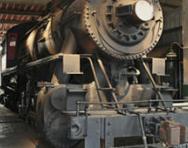
- A Year 3 class study a timeline that highlights the main events and inventions of Victorian times. They learn about methods of mass industrial production and the significance of rail travel.
- Year 4 pupils explore working conditions in Victorian times. They visit a row of Victorian houses to gather information about the various street traders who once lived there. They also study a survey on living conditions carried out in London during the late Victorian period.
- After listening to a tape on the war with Troy, Year 5 pupils consider what makes a hero in Ancient Greece (and in modern times). Each pupil has to define their idea and suggest two people, past and present, who they feel are heroes.
- A Year 6 class carry out a re-enactment of an air raid in the classroom. They black out the windows and an air raid siren is played as they take cover beneath tables. They later discuss what it felt like being cramped under a table not knowing what was going to happen next. A member of the local community visits the class to share their wartime experiences of evacuation during WWII.
Help your child at home
- Make your children aware of the history around them. Look at street names, buildings and other features that give clues about the area's history. If there’s a railway track, you know that the Victorians went through the town, for example. Encourage your child to ask questions about what peoples’ lives may have been like in the past in your town.
- Visit relevant museums (look through our educational days out suggestions) to immerse your child in the past.
- Help your child to find out the answers to any questions they ask. Take them to a local history museum, library or historical re-enactment event.
- Watch history programmes, such as Time Team, which is excellent for encouraging interest.
- Look through TheSchoolRun's suggestions of best history books for kids, best apps for children who are interested in history and best history home schooling activities and resources.
Give your child a headstart
- FREE articles & expert information
- FREE resources & activities
- FREE homework help
By proceeding you agree to our terms and conditions. For information on how we use your data, see our privacy policy. You will receive emails from us but can opt out at any time.