What are SATs?
Given that SATs occupy a huge amount of teachers’ and pupils’ time as they prepare for the tests each May, they can loom large enough to overshadow everything else at school. Read on to find out exactly what to expect from them, so you and your child can keep them in perspective.
Who takes SATs?
Children in English schools take SATs twice during their school career.
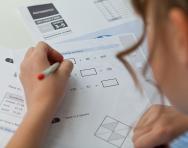
The first time is in Key Stage 1, when they will have tests in Year 2, at the end of infants (aged 7). They are tested in maths and English (reading and spelling, punctuation and grammar). Teachers generally try to keep the testing procedure informal – the papers are not strictly timed, and are usually taken in a normal classroom situation to keep the pressure off children.
On 14 September 2017 it was confirmed that the KS1 SATs will be made non-statutory (so schools will be able to choose whether to adminster them or not) from September 2023.
In Years 3, 4 and 5 some schools test end-of-year progress by using tests known as optional SATs. The results won't be nationally recorded, but optional SATs help teachers assess children's progress and are used to help children get used to working in exam conditions.
Prepare your child for SATs today
- Your guide to SATs
- KS1 & KS2 SATs revision courses
- SATs practice papers in English & maths
What are SATs for?
For a parents' guide to how SATs results are used by secondary schools, Ofsted and the Department for Education, read our article What are SATs results used for?
How parents can help with KS1 SATs and KS2 SATs
The format of SATs and the mark scheme changed in 2016 but the new-style papers are available to download for free:
- KS2 English SATs 2016 past papers
- KS2 Maths 2016 past papers
- KS2 English 2017 SATs
- KS2 Maths 2017 SATs
- KS2 English 2018 SATs
- KS2 Maths 2018 SATs
- KS2 English 2019 SATs
- KS2 Maths 2019 SATs
- KS2 English 2022 SATs
- KS2 Maths 2022 SATs
- KS2 English 2023 SATs
- KS2 Maths 2023 SATs
- Subscriber-exclusive KS1 and KS2 SATs practice papers in the new 2016 format
Give your child a headstart
- FREE articles & expert information
- FREE resources & activities
- FREE homework help