Stop summer brain drain

Nobody is denying that children need a break from formal education. However, studies show that they forget up to a third of what they have learned during the summer holidays, so there’s good motivation for parents to keep extending learning outside of the classroom. Try these tricks:
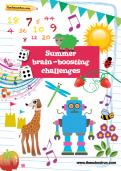
Claim A FREE Summer Brain-Boosting Challenges Pack!
- 30 exciting challenges
- Weird and wonderful facts
- Keep them busy the whole summer holiday!
Visit museums
It’s easy to think of museums as dull, boring places but nowadays many of them offer an element of entertainment for children. Find a few local to you and plan some half-day trips – they offer a great hands-on way to learn about history or science. Older children may enjoy an art gallery, too, and some run events for children.
Lose yourselves in books
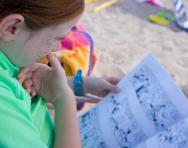
Encourage your children to take part in a summer reading challenge. It’s far more satisfying to see your child glued to a book than a computer screen during the holidays.
Invest in screen-time
You’re unlikely to be popular if you ban computer games altogether, so instead why not rent or buy one or two new ones for the holidays? Make sure you select something with educational merit.
Suggest a diary
Encourage your children to keep a diary. This can be written or in the form of pictures or photographs and will help improve literacy, art, memory, and ICT skills.
Make the most of your holiday
Going on holiday can be an educational experience. Encourage your children to read up on the place you are going to. They can help you plan for the holiday, brushing up on their organisational skills as they make lists, pack, plan a route, budget spending money and so on. If you’re not going away, an imaginary holiday can serve the same purpose!
Go day-tripping
Visits to zoos or aquariums are great fun and packed with science-learning opportunities. Similarly, local castles or stately homes can be a three-dimensional history lesson (with a picnic bonus if it’s a nice day).
Encourage creative play
Imaginative play is very important, but it’s something which the rigid structure of school life often struggles to facilitate. This makes the holidays an ideal time for delving into imaginary worlds. A box of dressing-up props can be a great starting place.
Get outdoors
Physical activity helps children develop skills such as concentration, team work and logic which can be transferred to the classroom. If you have a garden, or even a window box, encouraging your child to get busy with a packet of seeds and a trowel for a little science lesson in disguise.
Employ your little helpers
Yes, they’re on holiday, but that doesn’t mean that you have to run around after your children all the time. Get them to help you make a rota of chores. Helping around the house is an educational experience, and if you’re feeling generous you could even pay them, opening up a world of counting and budgeting.
Get board not bored
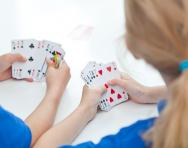
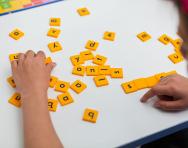
A family board game can provide all kinds of learning opportunities – counting, strategising, negotiating and turn-taking – as well as providing plenty of laughs. Puzzles are also great ways to enhance those problem-solving abilities and provide a real sense of satisfaction and teamwork once completed. You can purchase a new puzzle or look for one in a charity shop, or even use a free online puzzle maker and upload your own images on a site like I'm A Puzzle.
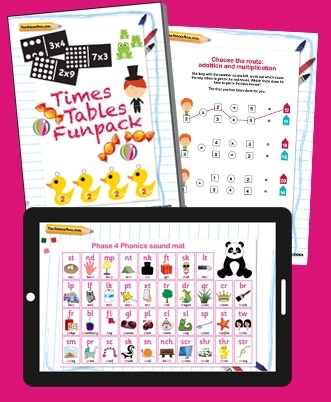
Give your child a headstart
- FREE articles & expert information
- FREE resources & activities
- FREE homework help